


31% Margin Identified: How a Seller Calculated True Profit Before Launch
“A product can look profitable and still fail after fees, ads, and logistics.”
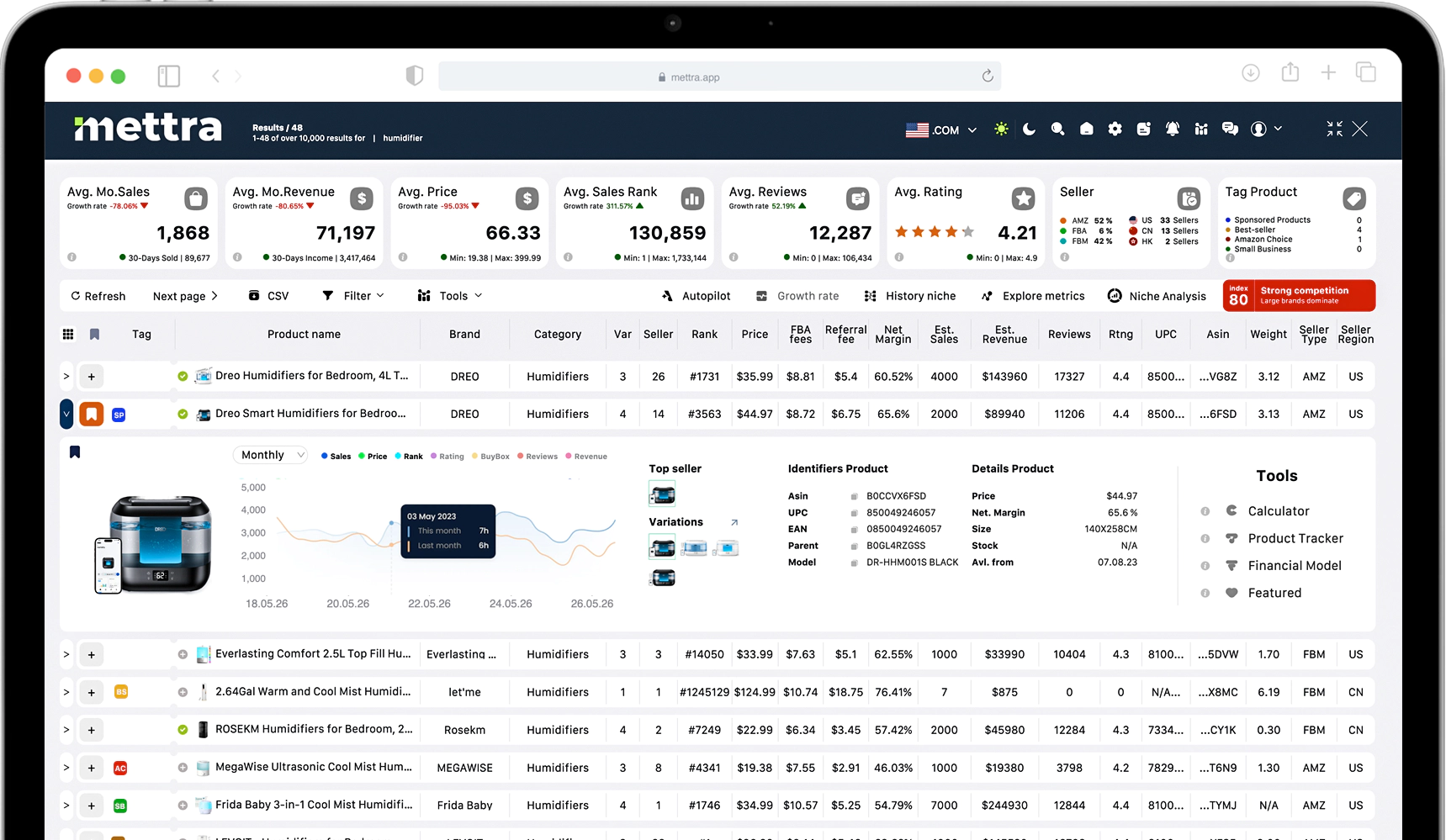
Strong demand can make a product look safer than it really is. On Amazon, however, a product can look promising on paper and still become a weak launch if profit disappears after fees, ads, and logistics. That is where many sellers misjudge an opportunity. They focus on selling price and estimated sales, but do not fully model the cost structure behind each unit. In this case, the seller wanted to answer one question before placing inventory: whether the product could still deliver a healthy margin once the real launch costs were included.
The Situation
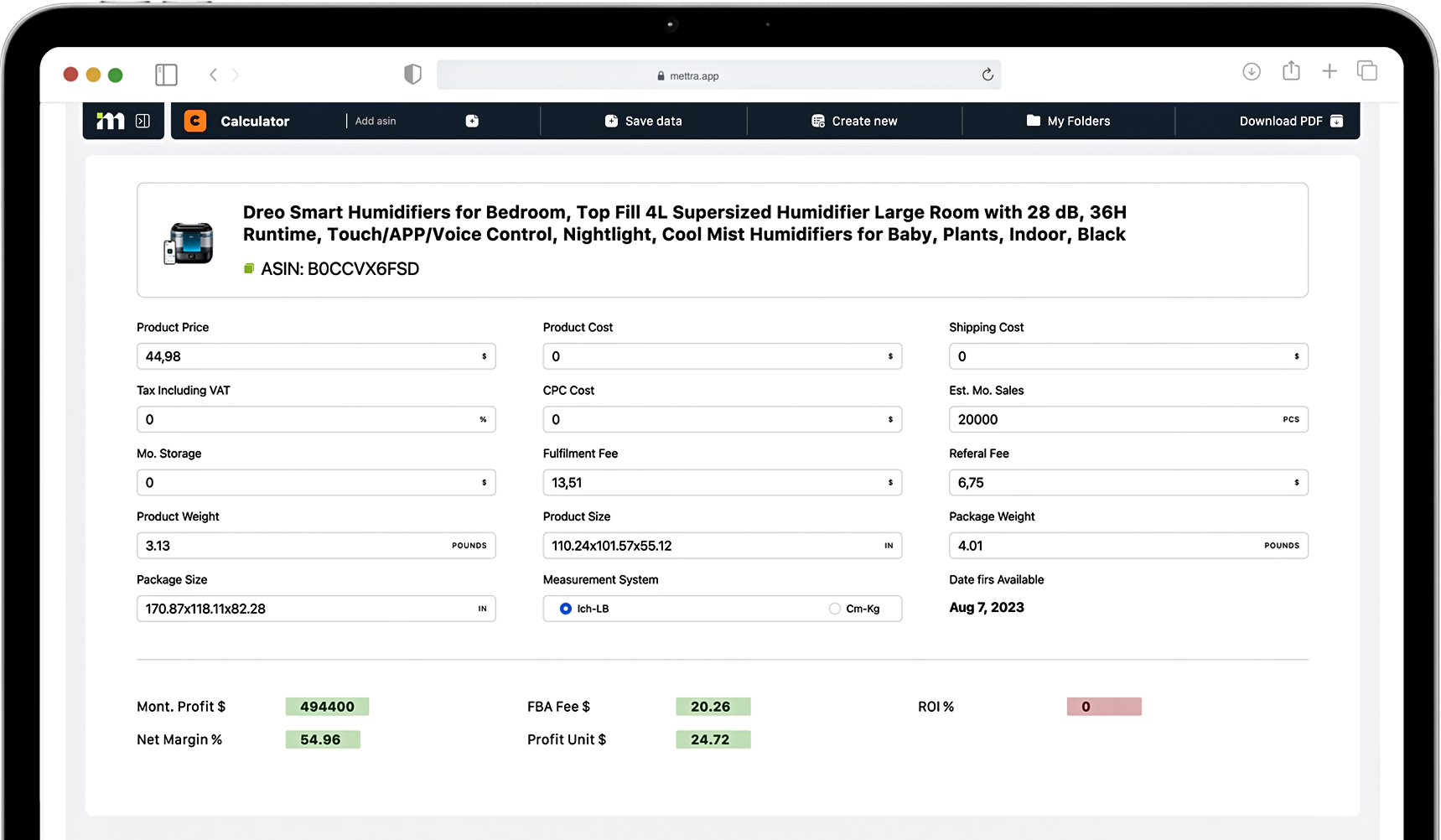
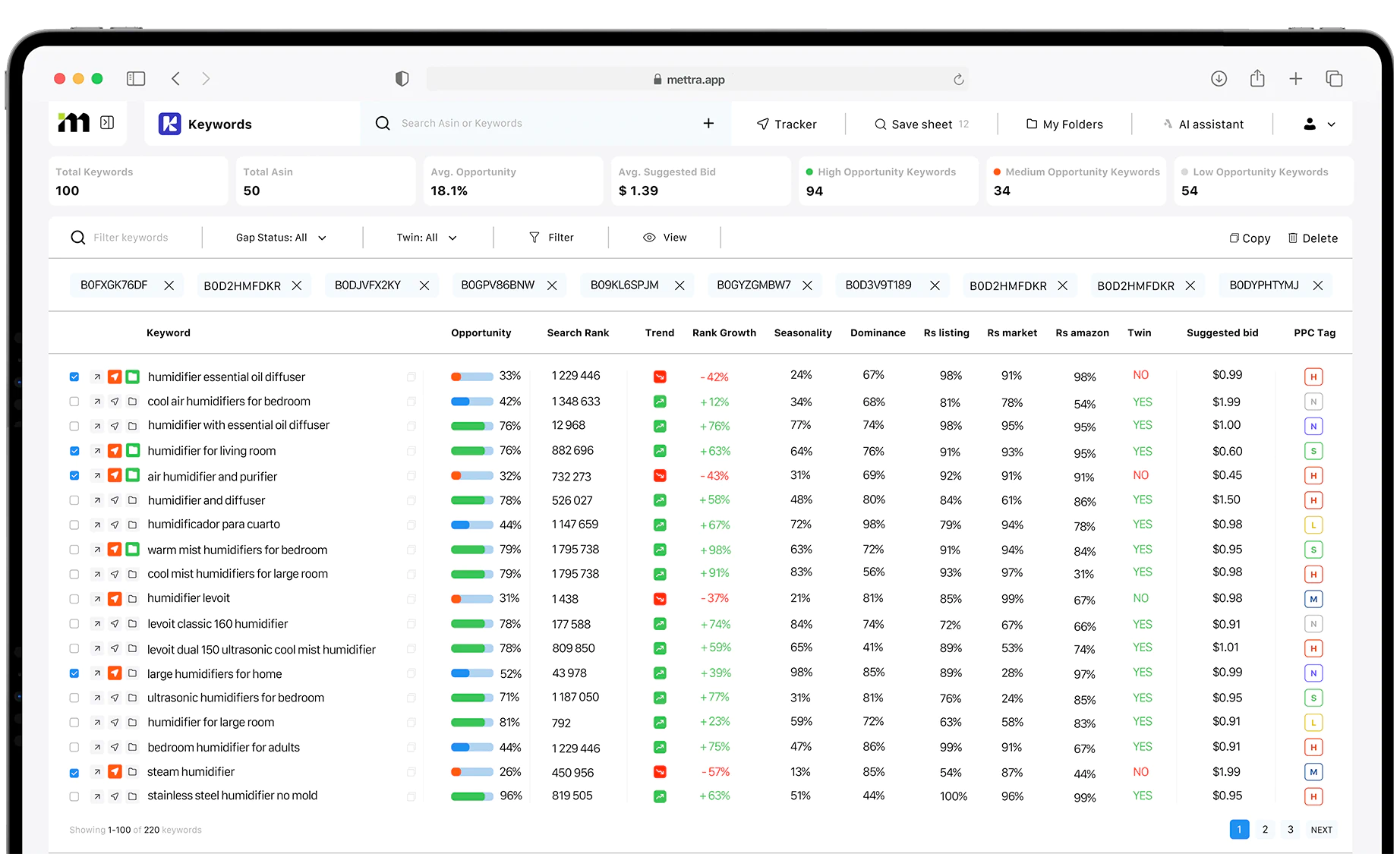
A seller was evaluating a private-label product for launch on Amazon. The niche looked encouraging: demand was stable, competition appeared manageable, and the target selling price suggested room for profit. But before ordering inventory, the seller needed to confirm whether the product would still make money after COGS, logistics, Amazon fees, and advertising. To answer that, the seller built the numbers inside a financial model rather than relying on a rough spreadsheet estimate.
First Market Impression
At a surface level, the opportunity looked strong. But selling price and sales volume alone could not answer the real question. The seller needed to see how COGS, logistics, FBA fees, referral fees, ads, and other variable costs would affect true profit.
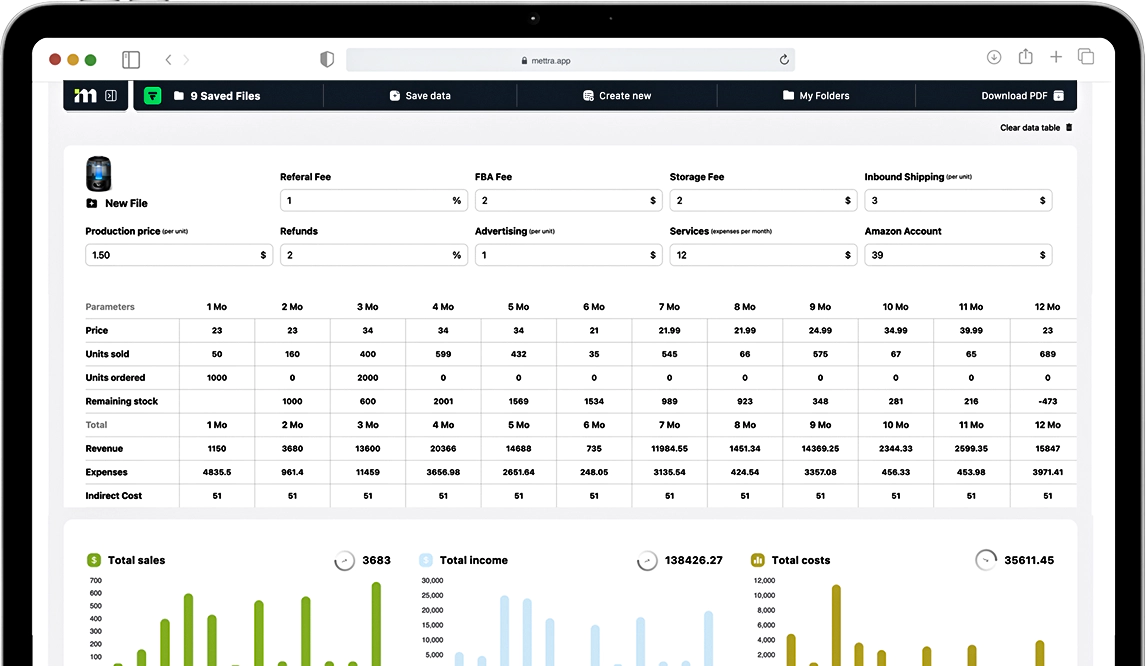
What Mettra Financial Model Showed
Once all major costs were included, the product still showed an estimated 31% net margin. That gave the seller a more reliable view of the opportunity before committing to the first inventory order.
Scenario Testing
To stress-test the launch, the seller also modeled a few realistic changes in advertising, pricing, and logistics costs.
Key Takeaway
Even with moderate changes in PPC, price, and logistics, the product remained profitable. That gave the seller enough confidence to move from research into deeper launch planning.
The decision was based on more than demand. The product showed stable sales potential, manageable competition, a healthy net margin, and enough room to absorb launch advertising without breaking the model.
A product can look profitable at first glance and still fail once the real costs are added.
Before ordering inventory, sellers need to calculate the full picture: COGS, FBA fees, referral fee, ads, net margin, ROI, and break-even price.
In this case, a structured financial model helped confirm an estimated 31% net margin and gave the seller a clearer, more confident launch decision.
Designed for brands that compete at the top
Get started today
Find your plan