


$120K Revenue Potential: How Sellers Estimate Market Opportunity Before Entering a Niche
“A niche can look attractive because of revenue, but sellers need to know whether demand is stable enough to support a new launch.”
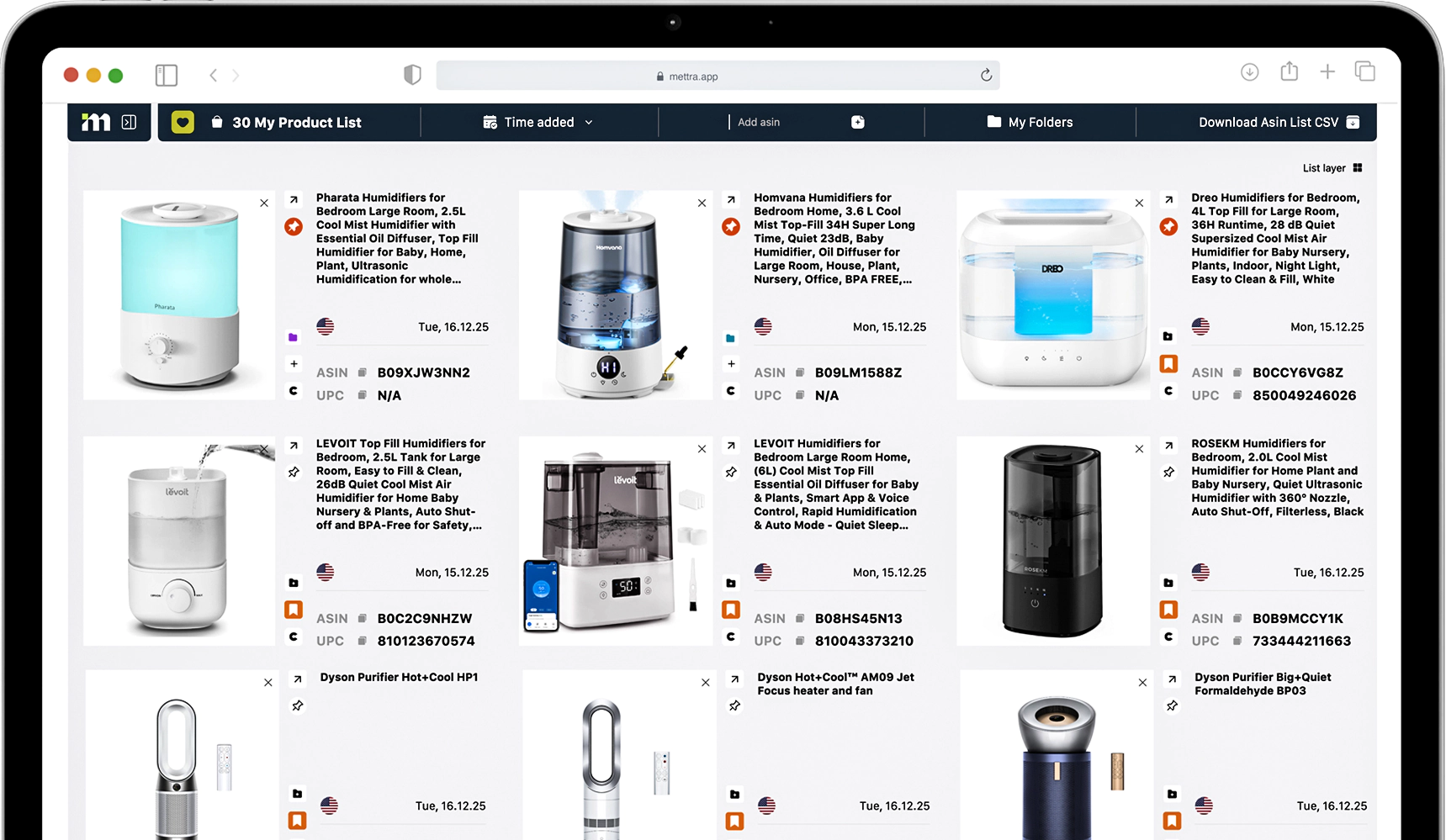
A seller came across a product idea that looked promising on the surface. The niche showed steady demand, active competitors, and an average selling price that suggested room for revenue. But before entering the market, the seller needed to answer a more practical question: was the opportunity large and stable enough for a new entrant? One strong listing can make a niche look better than it really is. What matters more is whether demand is spread across multiple products, whether the trend is stable, and whether inventory can be planned realistically.
First Market Snapshot
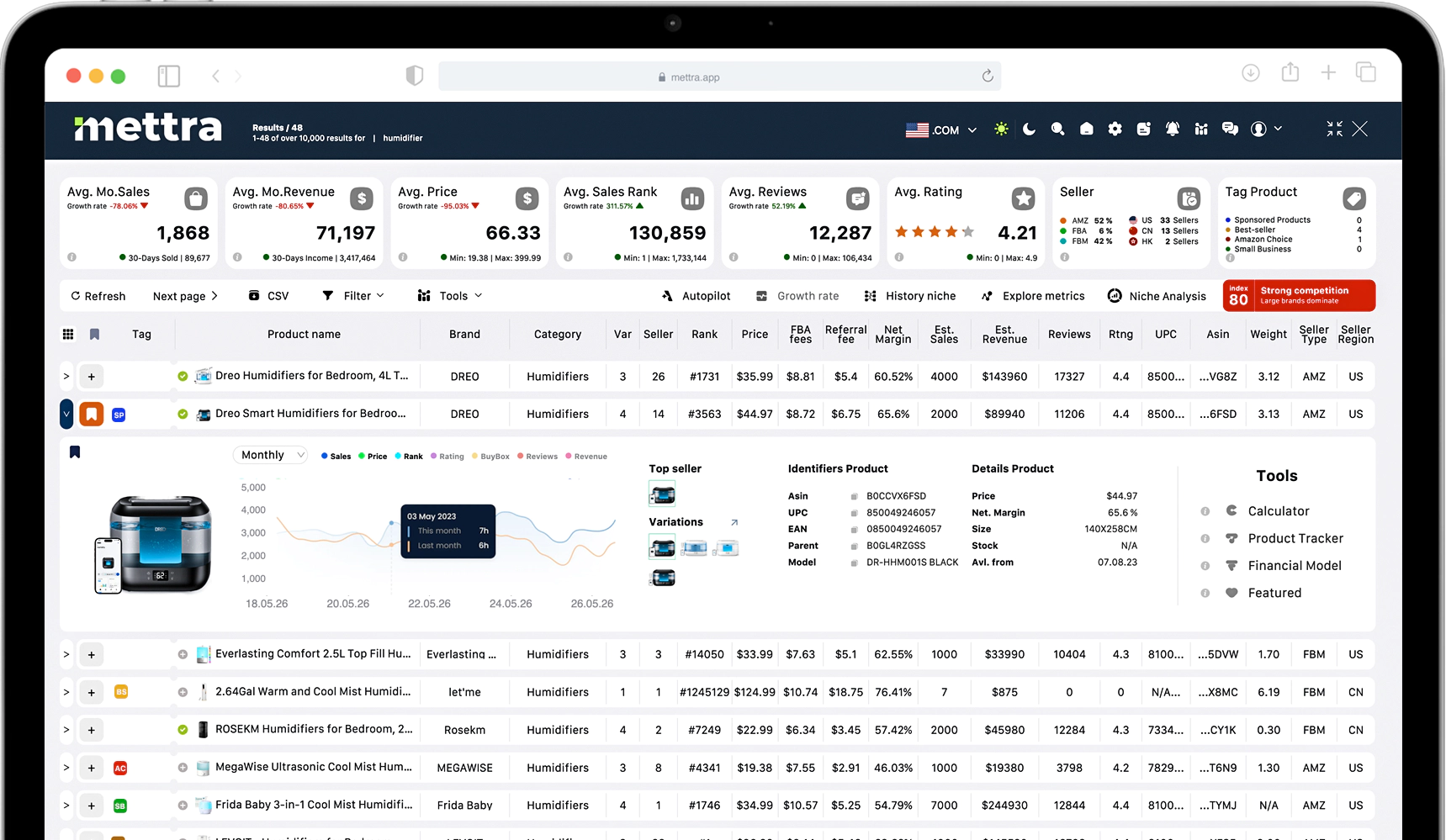
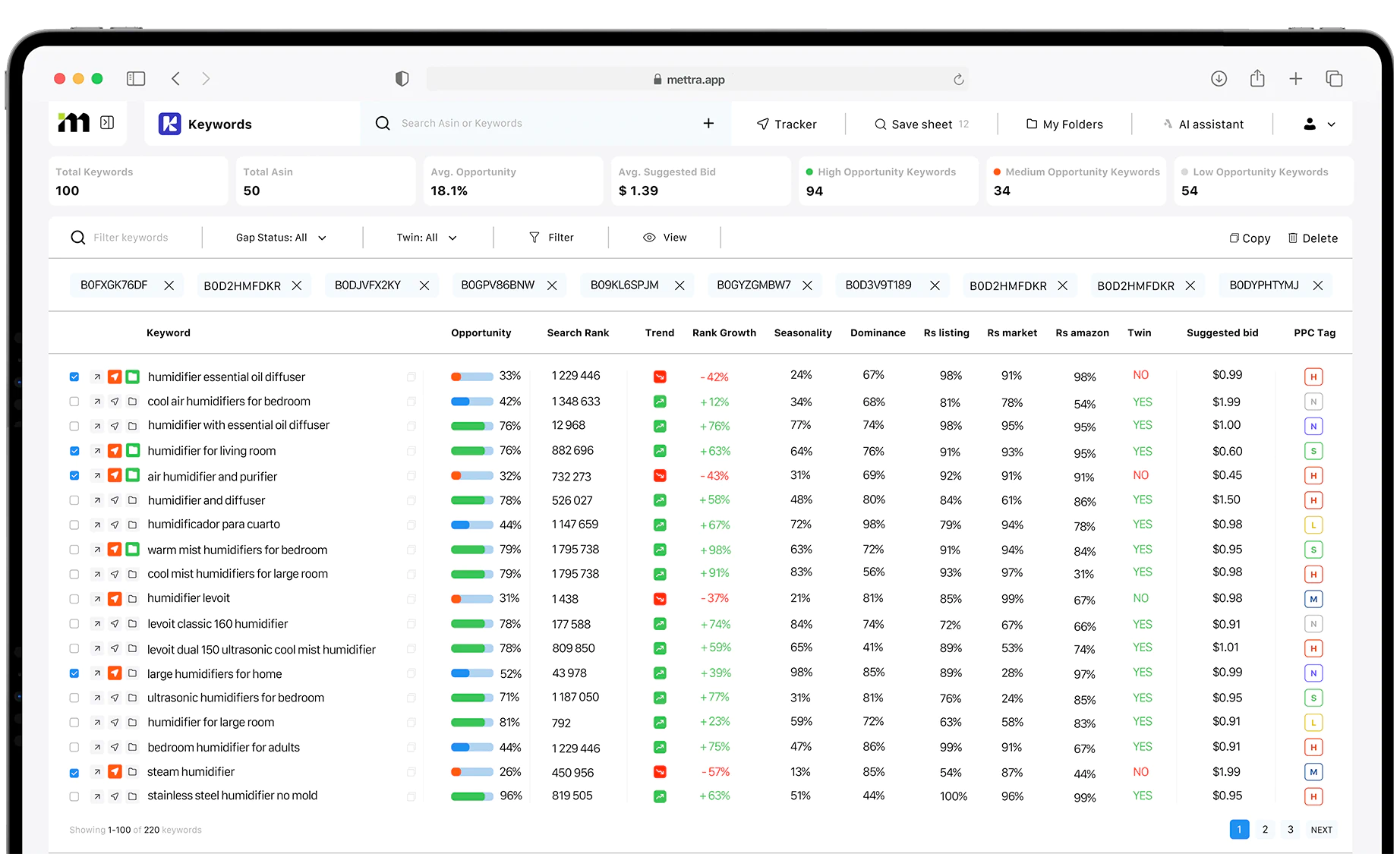
At first glance, the niche looked attractive. Revenue was healthy, sales activity was consistent, and the demand trend was moving in the right direction. But before moving forward, the seller needed to understand how much of that opportunity was actually accessible to a new product.
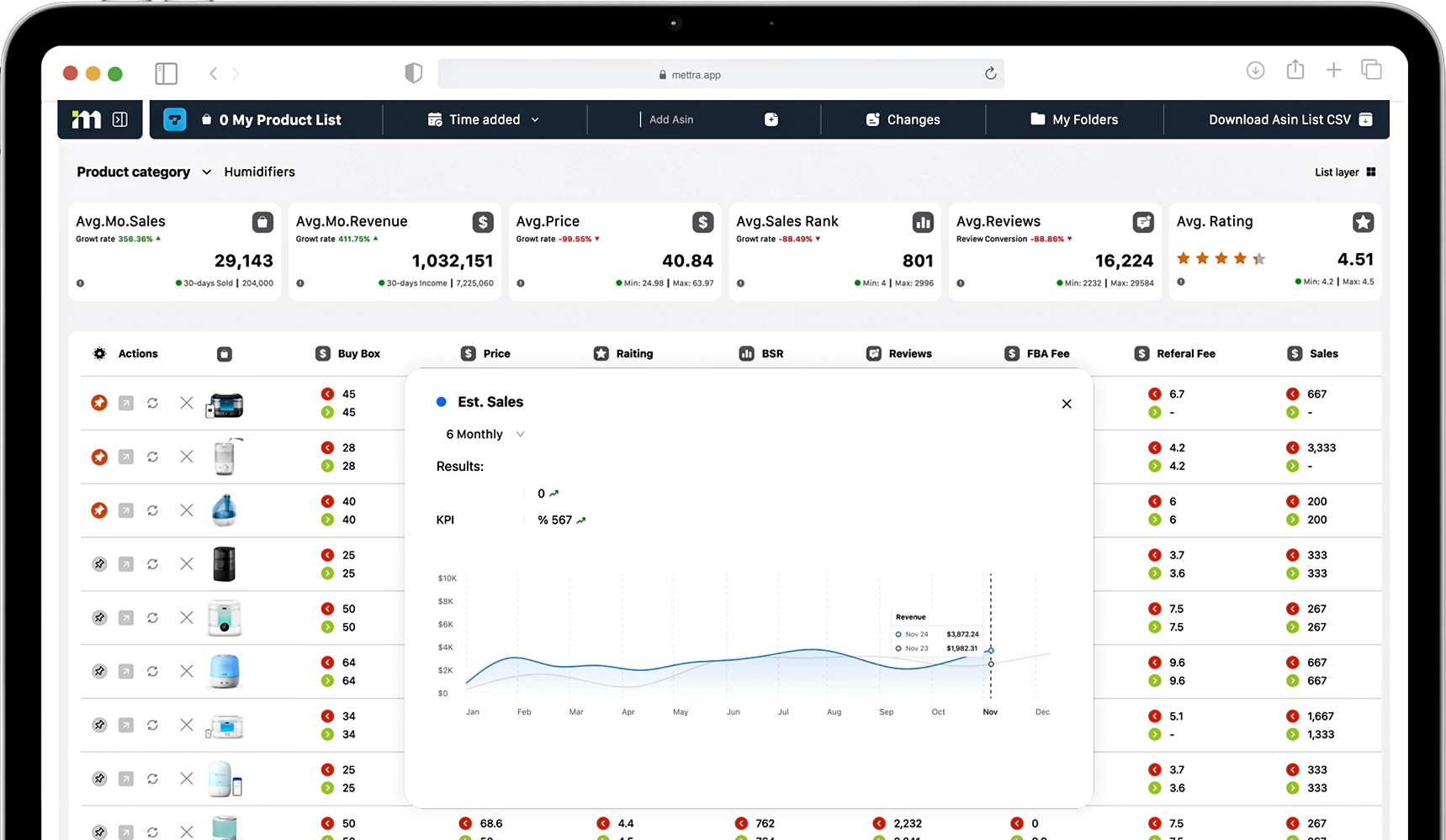
What the Analysis Showed
The analysis showed that demand was distributed across several listings rather than concentrated in a single winner, which made the niche more realistic for entry. It also showed that seasonality could not be ignored. Planning inventory around peak months alone would have created a real risk of overstock during slower periods.
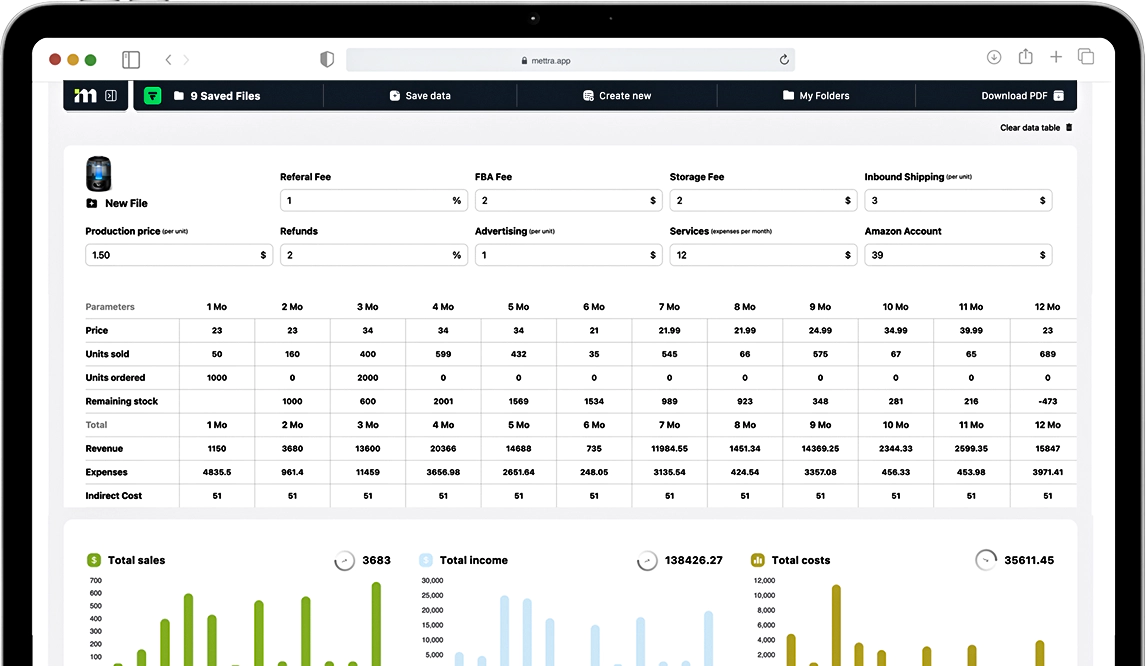
Inventory Planning Testing
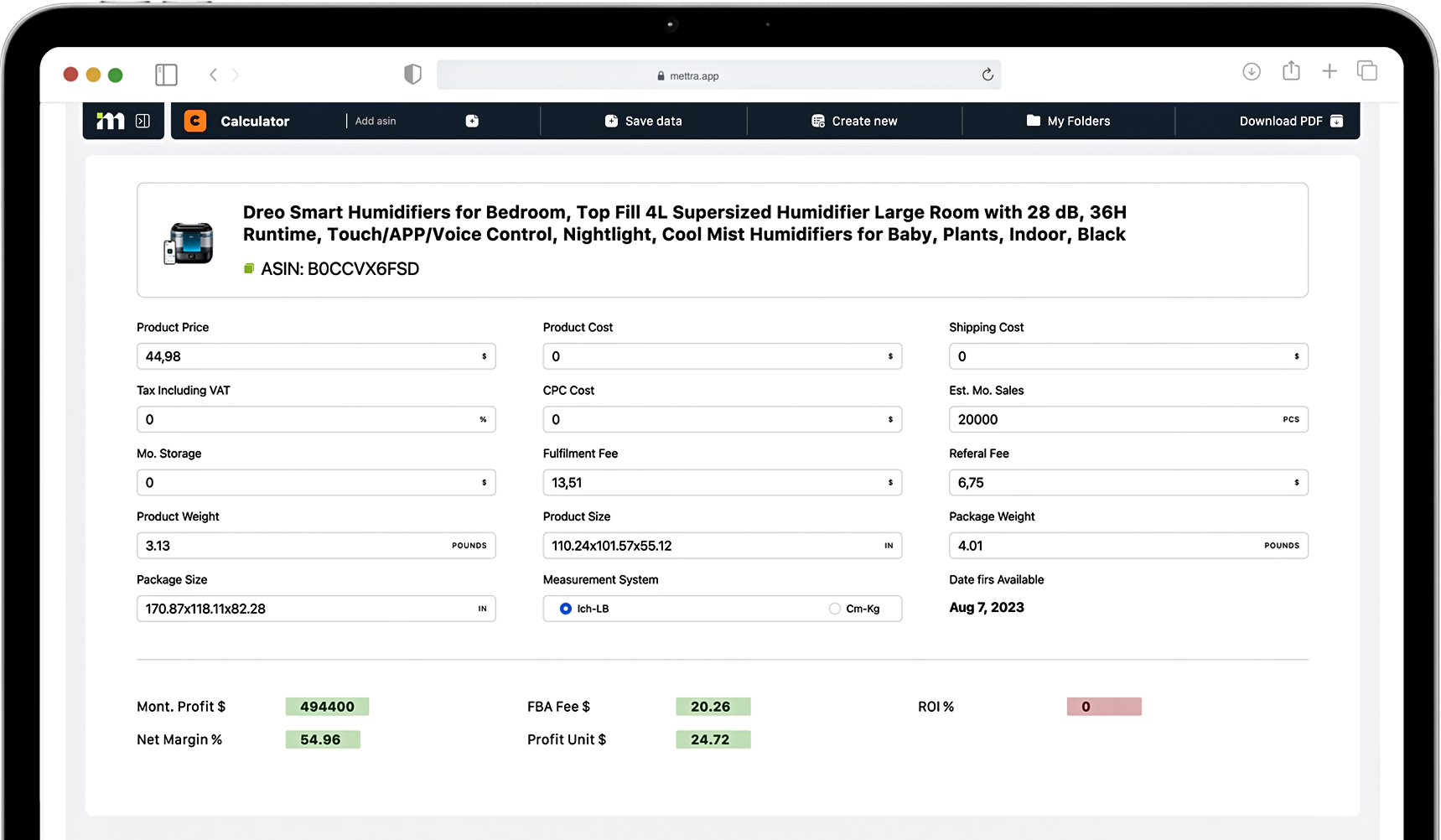
Instead of planning inventory around the full $120K market size, the seller used a more conservative launch estimate.
Instead of sizing the launch around the full market potential, the seller used a conservative estimate based on realistic first-product performance.
Key Takeaway
A niche with $120K in monthly revenue can look attractive, but revenue alone does not tell the full story.
Before entering a niche, sellers need to understand:
average monthly sales; revenue range; demand trend; seasonality; competition level; realistic inventory needs.
That is what helps separate a market that looks good on paper from one that can actually support a new launch.
In this case, the seller used those signals to avoid overestimating demand and to plan inventory around a realistic entry point rather than the most optimistic scenario.
Designed for brands that compete at the top
Get started today
Find your plan